MicrobiomeWho is there and how they interact
 GIORGIO GARGARIFermOmics Lab
Scientific consulting · Research · R&D partnerships
Wine and fermented beverages Omics Predictive models
Microbiology and data for safer, more predictable fermentations.
FermOmics supports wineries, producers, SMEs and research teams in studying and controlling fermentation through microbiology, multi-omics and machine learning.
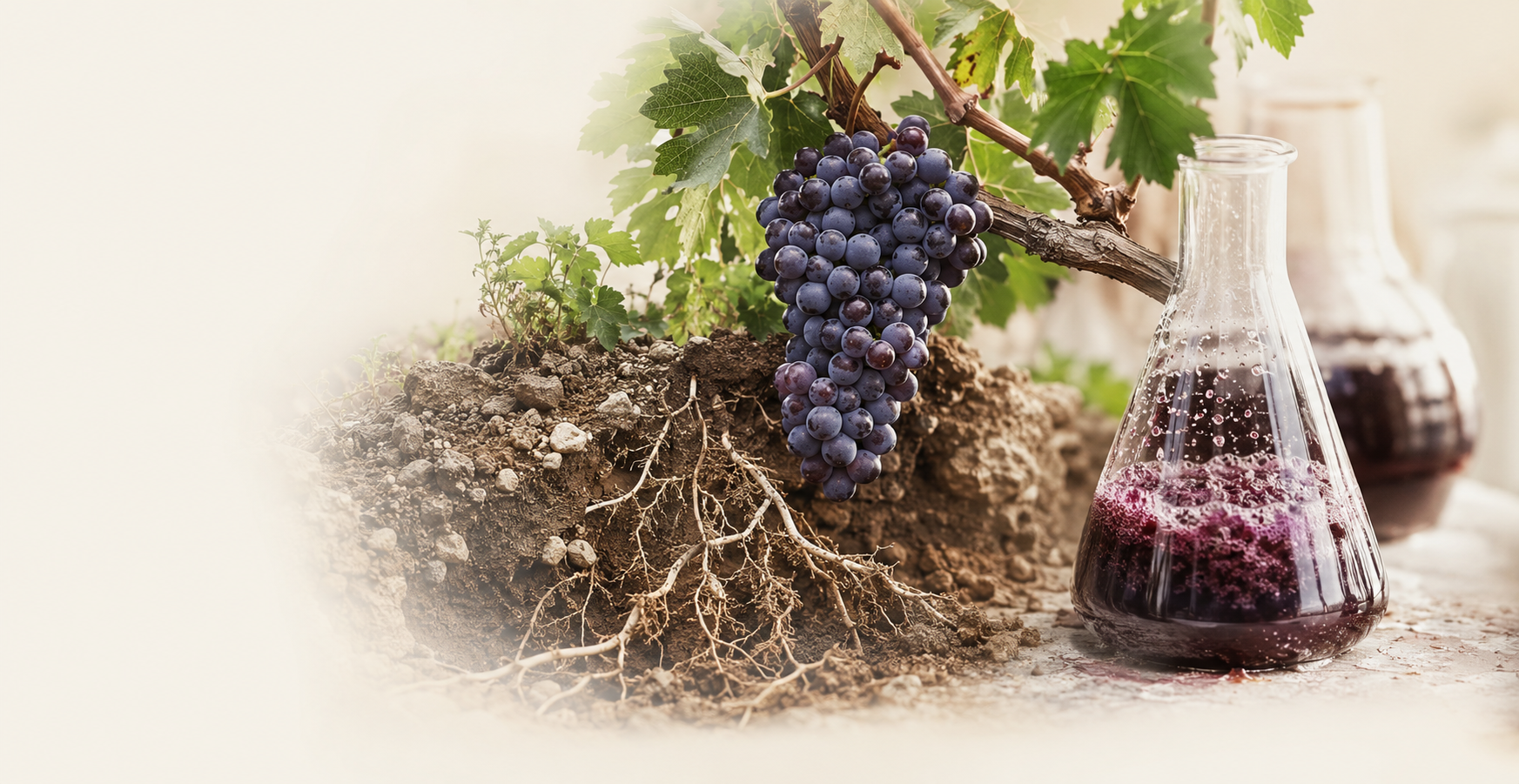
Multi-omicsFunctions, metabolites and signals
PredictionFrom data to decisions
A change in perspective
Do not merely describe.
Anticipate.
Traditional microbiology observes what has already happened. A predictive approach integrates microbial communities, functions, metabolites and process parameters to recognise the signals that matter earlier.
The goal is to translate complex data into thresholds, risk maps and operational guidance for wineries, fermented-beverage producers, consortia and R&D teams.
01Sample→
02Understand→
03Integrate→
04Predict→
05Validate
Applied expertise
From a production question
to scientific evidence.
Modular support, from targeted diagnosis to a complete research and innovation platform.
Fermentation troubleshooting
Identify the microbial and process causes of fermentation anomalies and develop targeted strategies for reproducibility, stability and quality.
Microbiome & multi-omics
Study design, sampling and integration of metagenomics, functional genomics, metabolomics, volatilomics and culturomics.
Predictive models
Turn microbial, chemical and technological data into risk indicators, biomarkers and interpretable decision-support models.
Data-driven R&D
Experimental development and validation of starters, microbial consortia, bioprotection and innovative processes under realistic production conditions.
Fields of work
Wine as a complex
microbial system.
From vineyard to winery: omics and predictive methods to understand and manage the entire winemaking process.
Wine and wine microbiology
From the vineyard-to-winery continuum to alcoholic and malolactic fermentation, quality, stability and risk.
Spontaneous and guided fermentation
Microbial ecology, succession and links between communities, metabolites, aroma and performance.
Malolactic fermentation and stability
Lactic acid bacteria, stress adaptation, malolactic fermentation and spoilage prevention.
PIWI and sustainability
The soil–plant–grape–fermentation microbiome and the valorisation of resistant varieties.
Low-alcohol wines
Non-conventional starters and sequential fermentation to modulate alcohol, aroma and quality.
Designed microbial consortia
From natural interactions to more robust, controllable and functional synthetic communities.
Beyond wine
The same science.
New ecosystems.
FermOmics expertise extends to fermentations with different matrices, communities and goals: beer, cider and fruit ferments, kombucha, kefir and new functional beverages.
Explore other fermented beverages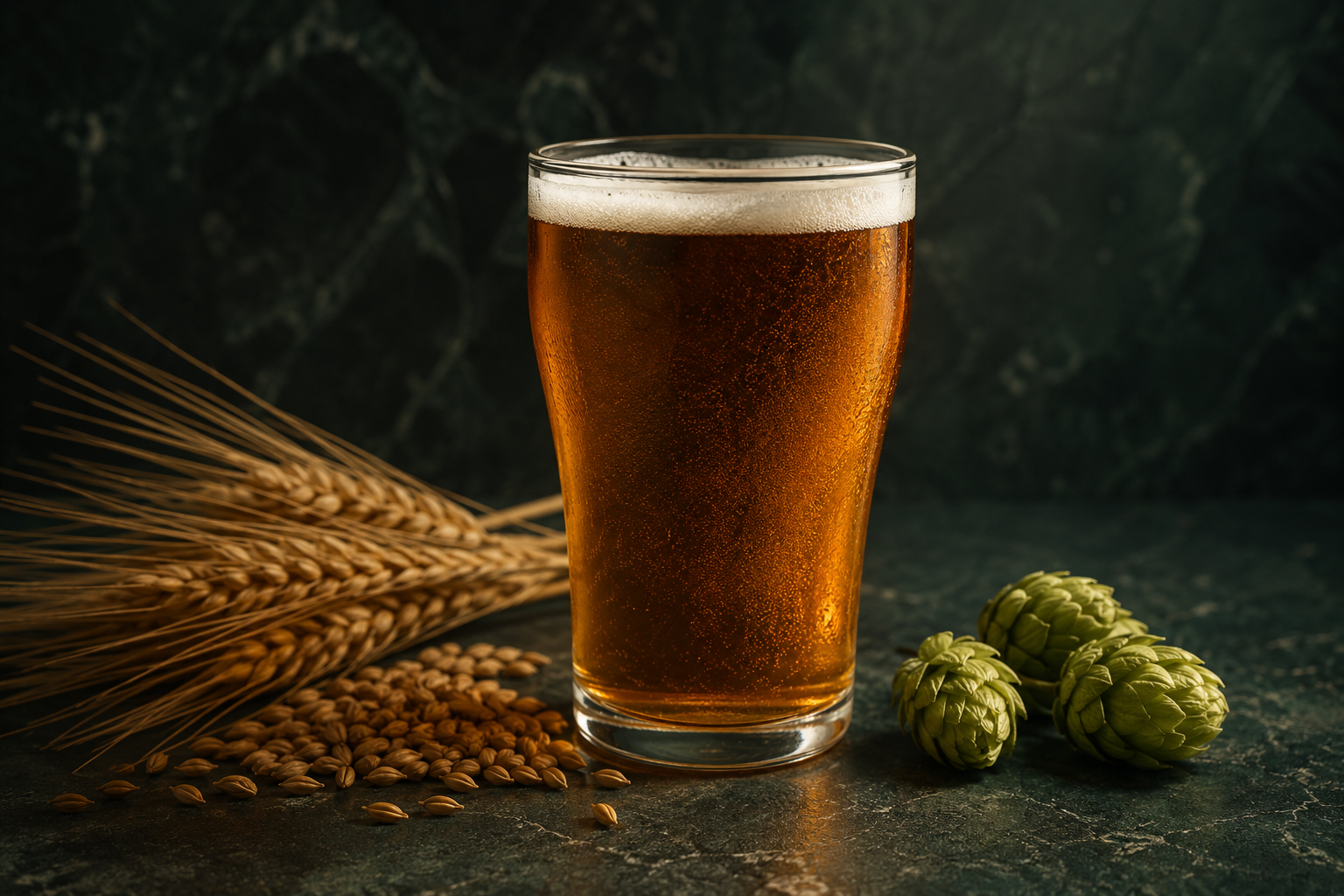



Scientific profile
Rigorous research.
Transferable impact.
Giorgio Gargari is a microbiologist at the Department of Food, Environmental and Nutritional Sciences, University of Milan. His research combines microbial ecology, bioinformatics, biostatistics and omics technologies applied to fermentation systems.
“From descriptive microbiology to predictive microbial management, validated in real processes.”
Start with a concrete question
Which decision would you like
to make more predictable?
Fermentation, stability, microbial risk, microbiota valorisation or an omics project: together we can define the question, the required data and a realistic experimental pathway.